
Content overseen by: David Van de Borne · Updated on 27 November 2026
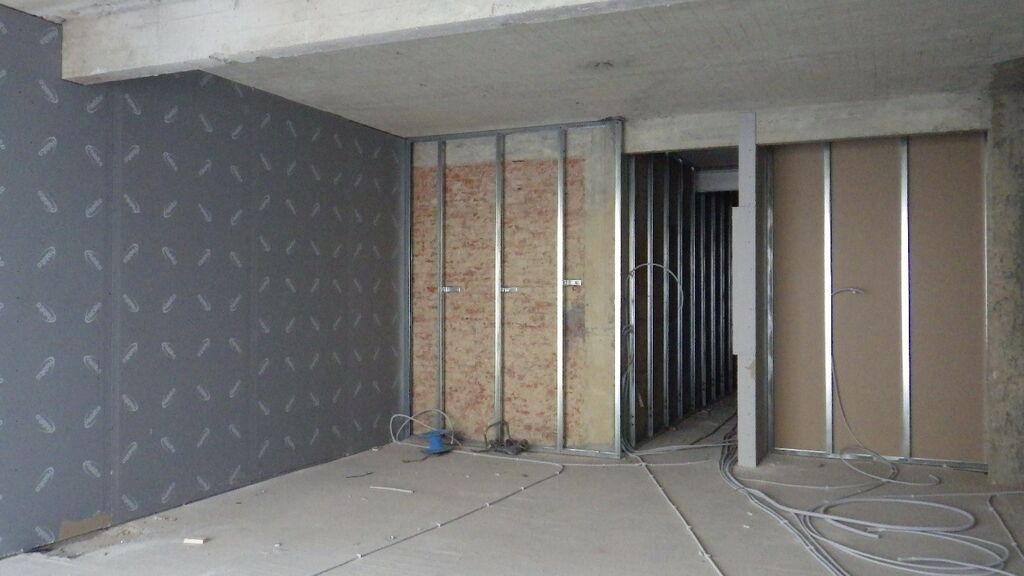
Which business activities shape the renovation programme?
Start with how the building is used each day. Which spaces are essential for production, customers, storage and administration? Which deliveries cross the proposed work area? Identify who needs access to technical rooms too. A room-by-room programme alone does not explain the effects on your business.
Distinguish what must remain available from what can move temporarily. Describe possible work windows and decision points, but do not set an execution period before the scope is known. For renovations and alterations, this operational picture provides the basis for discussing workable phases.
How do you divide renovation into coordinated phases?
A phase must be capable of completion as building work and ready for the following step. New walls affect cable routes, air distribution and finishes, for example. Painting or reopening a room too early may require further interventions when technical services are still missing. Consider the sequence for each connected group of works.
Specify which information is required before each phase and who confirms the transition. Combine tasks needing the same access or interruption where feasible. Phasing does not automatically require separate orders for every task. It highlights which elements need preparation together.
Which service interruptions need advance discussion?
Changes to electrical installations or other services may need temporary shutdowns. Identify systems linked to production, IT, lighting or access. Available plans and existing conditions need assessment before a work window is agreed. A general promise that everything will keep operating is not appropriate.
Discuss electrical works and possible HVAC alterations in terms of the affected areas and equipment. Agree who informs users, permits the shutdown and confirms readiness for reuse. Temporary arrangements require their own assessment and are not automatically included.
How do you coordinate site access with building use?
Map movements for staff, visitors, deliveries and workers. A door shown as available on a plan may lead to a closed corridor. Review complete routes rather than individual entrances. Agree boundaries and discuss which routes can remain available with the relevant people responsible.
Dust, noise, material storage and waste removal also need discussion. Specify storage areas and access to the work zone without unclear crossings with business activities. Measures depend on the work and use of the premises. Identify sensitive processes or rooms beforehand rather than discovering them during execution.
When can a renovated area reopen?
Agree checks for each phase before the space returns to use. These may concern the agreed finish, access and operation of modified services. Temporary entry to a room is not the same as full handover. Identify remaining items and any associated restrictions.
For interior finishing, define junctions with retained areas and the intended appearance. Record changes and decisions during the works. The next phase can then start from what was actually completed rather than an initial plan that has since changed.
Frequently asked questions
More answers about preparing and carrying out your project.
Can all employees remain at their desks during renovation?
Not automatically. This depends on the affected areas, work and agreed measures. Consider which functions can move temporarily and where interruptions are needed. Phasing does not guarantee every workplace will always remain available.
Is working outside opening hours always best?
Not necessarily. Available access, technical shutdowns, material processing and connections between tasks affect feasibility. Discuss work windows during preparation rather than assuming evening or weekend works as standard.
Can a single shutdown cover several tasks?
This can be investigated once the affected services and tasks are known. Combining them must suit the execution sequence and each installation’s requirements. First agree who coordinates shutdown and return to service.
Who decides when a renovated area can reopen?
Define this in the project arrangements. Those responsible must confirm that agreed checks and conditions are met. A worker leaving the room does not itself show that every usage condition has been assessed.
Content overseen by
David Van de Borne
Director of DCO Construction, the family business active in construction, finishing and technical works since 1980. The articles focus on the practical delivery of business projects.
Discuss your business renovation